


Trang Ch? Chính Th?c
Ng??i dùng có th? truy c?p DT68 th?ng qua liên k?t chính th?c v?i kh? n?ng h? tr? ?n ??nh trên nhi?u thi?t b?.

DT68 là n?n t?ng gi?i trí tr?c tuy?n phát tri?n t? h? sinh thái 8DAY, cung c?p ?a d?ng s?n ph?m nh? Casino tr?c tuy?n, Cá c??c th? thao, Slot game và X? s?. N?n t?ng ho?t ??ng theo tiêu chu?n qu?c t? v?i h? th?ng v?n hành ?n ??nh, h? tr? truy c?p trên c? Android, iOS và trình duy?t web.
DT68 áp d?ng c?ng ngh? m? hóa SSL 256-bit k?t h?p ch?ng nh?n b?o m?t GEOTRUST nh?m t?ng c??ng b?o v? th?ng tin và giao d?ch c?a ng??i dùng. ??ng th?i, n?n t?ng ???c v?n hành d??i gi?y phép PAGCOR, góp ph?n xay d?ng m?i tr??ng gi?i trí minh b?ch và an toàn h?n cho ng??i ch?i.
Link ??ng nh?p DT68 m?i nh?t KH?NG CH?N t?i ??a ch?:
C?p nh?t l?n cu?i:
Ng??i dùng có th? truy c?p DT68 th?ng qua liên k?t chính th?c v?i kh? n?ng h? tr? ?n ??nh trên nhi?u thi?t b?.
H? tr? t?o tài kho?n m?i trên n?n t?ng DT68 v?i giao di?n t?i ?u dành cho ng??i dùng m?i.
?ng d?ng DT68 h? tr? Android và iOS v?i giao di?n t?i ?u cho thi?t b? di ??ng.
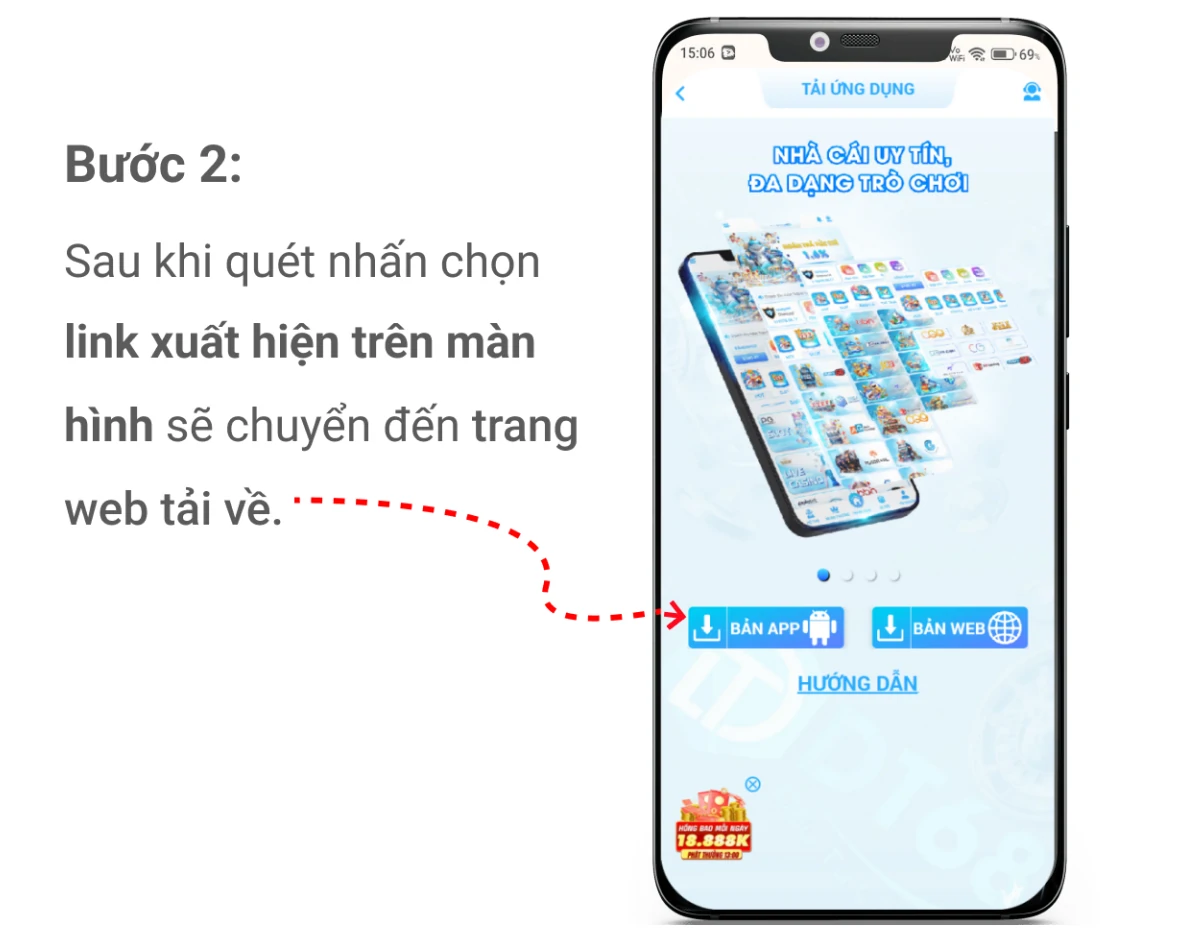
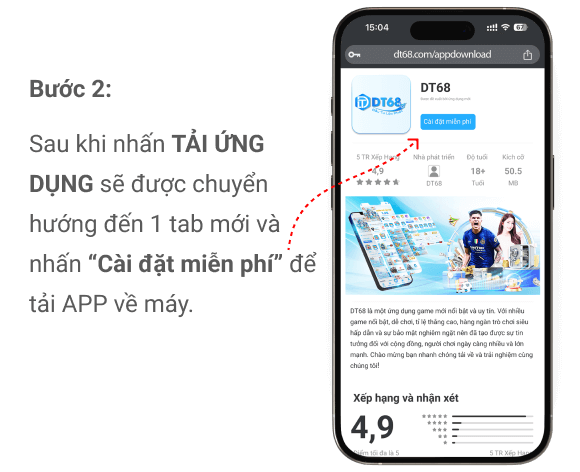
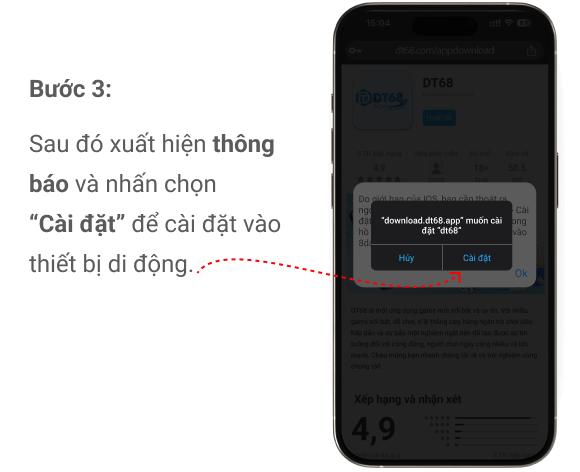
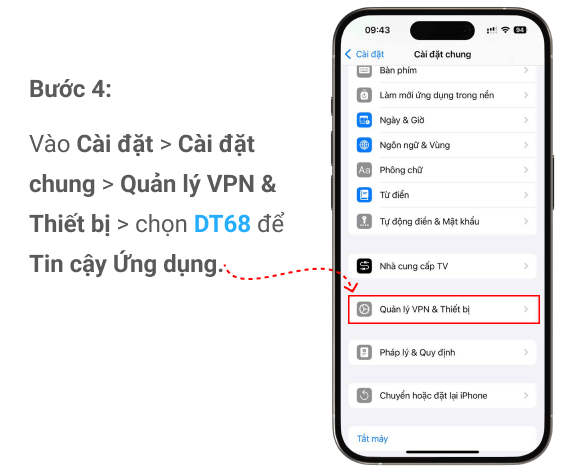
H??ng d?n ??ng ky thành viên m?i và t?i xu?ng cài ??t DT68.
DT68 cung c?p nhi?u danh m?c gi?i trí tr?c tuy?n khác nhau nh? Live Casino, Th? thao, Slot game, B?n cá và X? s?. Ng??i dùng có th? d? dàng l?a ch?n n?i dung phù h?p trên cùng m?t n?n t?ng v?i giao di?n t?i ?u cho c? ?i?n tho?i và máy tính.
Danh m?c casino tr?c tuy?n h? tr? nhi?u bàn ch?i ph? bi?n nh? Baccarat, Roulette và Blackjack v?i giao di?n t?i ?u cho ?i?n tho?i và máy tính.

Theo d?i và tham gia các kèo c??c th? thao v?i nhi?u b? m?n nh? bóng ?á, bóng r? và esports. H? th?ng c?p nh?t nhanh và h? tr? nhi?u l?a ch?n ph? bi?n.

Khu v?c b?n cá v?i nhi?u ch? ?? ch?i khác nhau, hi?u ?ng tr?c quan và h? tr? ch?i trên nhi?u thi?t b?, mang l?i tr?i nghi?m gi?i trí linh ho?t.

Danh m?c slot game ?a d?ng v?i nhi?u ch? ?? khác nhau, phù h?p cho ng??i ch?i yêu thích các trò ch?i quay th??ng có giao di?n sinh ??ng và thao tác ??n gi?n.

C?p nh?t các tr?n ?á gà tr?c tuy?n v?i hình ?nh r? nét và l?ch phát sóng th??ng xuyên, giúp ng??i dùng d? dàng theo d?i và tham gia.

Danh m?c x? s? tr?c tuy?n h? tr? nhi?u hình th?c tham gia khác nhau, giao di?n ??n gi?n và d? theo d?i k?t qu? m?i ngày.

Ng??i dùng có th? tham kh?o các h??ng d?n s? d?ng DT68 nh? ??ng ky tài kho?n, t?i ?ng d?ng, ??ng nh?p, n?p ti?n và rút ti?n th?ng qua các n?i dung bên d??i.
C?p nh?t l?n cu?i:
Ng??i dùng m?i có th? t?o tài kho?n DT68 tr?c ti?p trên ?i?n tho?i ho?c máy tính th?ng qua vài b??c c? b?n.
Sau khi t?o tài kho?n thành c?ng, ng??i dùng có th? ??ng nh?p DT68 trên ?i?n tho?i ho?c máy tính th?ng qua vài b??c c? b?n.
N?u b?n ?ang dùng ?i?n tho?i Android, h?y t?i app t? ?úng ngu?n chính th?c c?a DT68 ?? tránh l?i cài ??t ho?c nh?m ?ng d?ng kh?ng an toàn.
V?i thi?t b? iPhone ho?c iPad, ng??i dùng nên th?c hi?n ?úng t?ng b??c bên d??i ?? tránh l?i xác minh ?ng d?ng trong quá trình cài ??t.
Trong quá trình ??ng ky, ??ng nh?p ho?c t?i ?ng d?ng DT68, ng??i dùng có th? g?p m?t s? v?n ?? ph? bi?n liên quan ??n liên k?t truy c?p, l?i cài ??t ho?c xác minh thi?t b?. Các n?i dung bên d??i s? giúp b?n thao tác thu?n ti?n h?n và h?n ch? l?i kh?ng c?n thi?t.
C?p nh?t l?n cu?i:
DT68 là n?n t?ng gi?i trí tr?c tuy?n h? tr? truy c?p trên ?i?n tho?i, máy tính b?ng và trình duy?t web. Ng??i dùng t?i Vi?t Nam có th? s? d?ng DT68 ?? truy c?p nhi?u n?i dung gi?i trí khác nhau ngay trên cùng m?t h? th?ng.
V?i ng??i m?i, ?i?u quan tr?ng nh?t v?n là truy c?p ?úng liên k?t chính th?c và ki?m tra k? th?ng tin tr??c khi ??ng nh?p ho?c t?i ?ng d?ng. ?ay là b??c khá ??n gi?n nh?ng giúp h?n ch? nhi?u r?i ro liên quan ??n trang gi? m?o ho?c file cài ??t kh?ng an toàn.

Hi?n nay ph?n l?n ng??i dùng DT68 ??u truy c?p b?ng ?i?n tho?i vì thao tác nhanh và thu?n ti?n h?n so v?i máy tính. Ch? c?n m? trình duy?t ho?c ?ng d?ng là có th? s? d?ng g?n nh? ??y ?? các tính n?ng c? b?n.
V?i nh?ng ai th??ng xuyên dùng m?ng di ??ng ho?c truy c?p vào bu?i t?i, phiên b?n app th??ng cho c?m giác ?n ??nh h?n, h?n ch? tình tr?ng t?i l?i trang khi chuy?n m?ng ho?c ??i ?ng d?ng.
N?u ch?a mu?n cài app ngay, ng??i dùng v?n có th? s? d?ng tr?c ti?p trên trình duy?t mà kh?ng c?n thao tác quá ph?c t?p.
Xem thêm: H??ng d?n t?i app DT68
V?i ng??i m?i s? d?ng DT68 l?n ??u, nên ki?m tra k? tên mi?n truy c?p, th?ng tin tài kho?n và các b??c xác minh tr??c khi ??ng nh?p ho?c t?i ?ng d?ng.
Trong th?c t?, khá nhi?u l?i ph? bi?n xu?t phát t? vi?c nh?p sai m?t kh?u, truy c?p nh?m liên k?t c? ho?c t?i file kh?ng ?úng ngu?n chính th?c.
N?u s? d?ng trên ?i?n tho?i cá nhan, nhi?u ng??i th??ng l?u s?n link chính th?c ?? thu?n ti?n h?n cho nh?ng l?n ??ng nh?p sau.
Ng??i m?i có th? tham kh?o thêm: Trung tam h??ng d?n DT68
Khi truy c?p DT68, ng??i dùng nên ?u tiên các liên k?t ???c c?p nh?t tr?c ti?p t? trang chính th?c ?? h?n ch? r?i ro liên quan ??n website gi? m?o ho?c l?i chuy?n h??ng.
Tr??c khi ??ng nh?p, nên ki?m tra k? tên mi?n và tránh nh?n vào các ???ng link l? ???c chia s? t? ngu?n kh?ng r? ràng, ??c bi?t trên m?ng x? h?i ho?c ?ng d?ng nh?n tin.
V?i ng??i th??ng xuyên s? d?ng ?i?n tho?i, vi?c l?u ?úng ??a ch? truy c?p s? giúp thao tác nhanh h?n và h?n ch? khá nhi?u l?i kh?ng c?n thi?t.
N?u g?p l?i truy c?p: Xem FAQ DT68
V?i ng??i dùng truy c?p DT68 th??ng xuyên trên ?i?n tho?i, ?ng d?ng th??ng s? thu?n ti?n h?n vì t?c ?? m? nhanh và ít b? gián ?o?n khi chuy?n tab ho?c ??i k?t n?i m?ng.
Trong nhi?u tr??ng h?p, app c?ng giúp thao tác ??ng nh?p và truy c?p ?n ??nh h?n so v?i trình duy?t, ??c bi?t trên các thi?t b? Android c?u hình th?p.
Tuy nhiên, n?u thi?t b? có dung l??ng h?n ch? ho?c ch? s? d?ng t?m th?i, ng??i dùng v?n có th? truy c?p tr?c ti?p b?ng phiên b?n web mà kh?ng ?nh h??ng nhi?u ??n tr?i nghi?m c? b?n.
Xem thêm: T?i ?ng d?ng DT68
Khi ??ng nh?p DT68, ng??i dùng nên h?n ch? s? d?ng thi?t b? c?ng c?ng ho?c chia s? th?ng tin tài kho?n cho ng??i khác ?? tránh phát sinh các v?n ?? liên quan ??n b?o m?t.
Ngoài ra, tr??c khi nh?n ??ng nh?p, nên ki?m tra l?i m?t kh?u, bàn phím vi?t hoa và kho?ng tr?ng t? ??ng trên ?i?n tho?i. ?ay là l?i khá ph? bi?n v?i ng??i m?i.
N?u h? th?ng báo l?i ??ng nh?p nhi?u l?n liên ti?p, nên d?ng thao tác vài phút r?i ki?m tra l?i th?ng tin thay vì th? liên t?c quá nhanh.
N?u c?n h? tr? thêm: H??ng d?n ??ng nh?p DT68
V?i ng??i dùng th??ng xuyên truy c?p b?ng ?i?n tho?i, DT68 nhìn chung khá d? thao tác vì giao di?n ???c t?i ?u cho màn hình di ??ng và các b??c s? d?ng kh?ng quá ph?c t?p.
Nhi?u ng??i m?i th??ng ?u tiên dùng phiên b?n web tr??c ?? làm quen giao di?n, sau ?ó m?i cài app n?u có nhu c?u s? d?ng lau dài h?n.
Trong quá trình s? d?ng, vi?c ??c k? h??ng d?n và thao tác t?ng b??c s? giúp h?n ch? khá nhi?u l?i phát sinh liên quan ??n t?i app ho?c ??ng nh?p tài kho?n.
Xem thêm: H??ng d?n ??ng ky DT68
N?u m?i s? d?ng DT68 l?n ??u, ng??i dùng nên th?c hi?n theo t?ng b??c bên d??i ?? h?n ch? l?i truy c?p ho?c cài ??t kh?ng c?n thi?t.
Trong quá trình ??ng nh?p, t?i ?ng d?ng ho?c s? d?ng DT68 trên ?i?n tho?i, ng??i dùng nên ki?m tra k? liên k?t truy c?p và thao tác t?ng b??c ?? h?n ch? các l?i kh?ng c?n thi?t.
V?i ng??i m?i, ch? c?n chú y m?t vài l?u y c? b?n bên d??i c?ng có th? giúp quá trình s? d?ng ?n ??nh h?n và tránh khá nhi?u v?n ?? th??ng g?p liên quan ??n ??ng nh?p, cài ??t ho?c b?o m?t tài kho?n.

Tr??c khi ??ng nh?p ho?c t?i app DT68, ng??i dùng nên ki?m tra ?úng tên mi?n truy c?p ?? tránh m? nh?m các trang kh?ng chính th?c ho?c liên k?t c?.
Trong th?c t?, khá nhi?u l?i ??ng nh?p ho?c t?i app xu?t phát t? vi?c truy c?p sai ??a ch? ???c chia s? trên m?ng x? h?i ho?c h?i nhóm.
N?u th??ng xuyên s? d?ng trên ?i?n tho?i, nhi?u ng??i th??ng l?u s?n link chính th?c ?? thao tác nhanh và ?n ??nh h?n cho nh?ng l?n truy c?p sau.
Xem thêm: Link truy c?p DT68 m?i nh?t
Khi s? d?ng DT68 trên ?i?n tho?i cá nhan, ng??i dùng nên h?n ch? chia s? tài kho?n ho?c ??ng nh?p trên quá nhi?u thi?t b? khác nhau cùng lúc.
?i?u này giúp h?n ch? các l?i xác minh b?t th??ng ho?c tình tr?ng ??ng xu?t ngoài y mu?n trong quá trình s? d?ng.
V?i các thi?t b? c?ng c?ng ho?c máy dùng chung, nên ??ng xu?t hoàn toàn sau khi s? d?ng ?? tránh r?i ro liên quan ??n th?ng tin ??ng nh?p.
N?u g?p l?i: Xem khu v?c FAQ DT68
M?t s? l?i ??ng nh?p trên DT68 th??ng ??n t? vi?c nh?p sai m?t kh?u, b?t nh?m vi?t hoa ho?c ?i?n tho?i t? thêm kho?ng tr?ng khi nh?p li?u.
V?i ng??i m?i, nên ki?m tra l?i th?ng tin tr??c khi nh?n ??ng nh?p thay vì thao tác quá nhanh nhi?u l?n liên ti?p.
N?u h? th?ng báo l?i liên t?c, nên ch? vài phút r?i ki?m tra l?i k?t n?i m?ng ho?c th? ??ng nh?p l?i sau.
Xem thêm: H??ng d?n ??ng nh?p DT68
V?i thi?t b? Android ho?c iPhone, ng??i dùng nên t?i ?ng d?ng DT68 t? ?úng ngu?n chính th?c ?? h?n ch? l?i cài ??t ho?c c?nh báo b?o m?t kh?ng c?n thi?t.
Trong nhi?u tr??ng h?p, file t?i kh?ng ??y ?? ho?c truy c?p nh?m trang gi? m?o là nguyên nhan khi?n ?ng d?ng kh?ng cài ???c trên ?i?n tho?i.
N?u ch?a quen thao tác, nên ??c k? t?ng b??c h??ng d?n thay vì nh?n quá nhanh khi h? th?ng hi?n th? th?ng báo xác minh.
Xem thêm: H??ng d?n t?i app DT68
V?i ng??i dùng th??ng xuyên truy c?p DT68 trên ?i?n tho?i, phiên b?n app th??ng cho c?m giác ?n ??nh và thao tác nhanh h?n so v?i trình duy?t web.
??c bi?t khi s? d?ng m?ng di ??ng ho?c chuy?n ??i gi?a nhi?u ?ng d?ng, app th??ng h?n ch? tình tr?ng t?i l?i trang ho?c ??ng nh?p l?i nhi?u l?n.
Tuy nhiên, n?u ch? s? d?ng t?m th?i ho?c thi?t b? có dung l??ng th?p, ng??i dùng v?n có th? truy c?p tr?c ti?p b?ng trình duy?t bình th??ng.
Xem thêm: T?i ?ng d?ng DT68
V?i ng??i m?i s? d?ng DT68 l?n ??u, nên ?u tiên thao tác t?ng b??c và ??c k? h??ng d?n tr??c khi ??ng ky, ??ng nh?p ho?c t?i ?ng d?ng.
Nhi?u l?i ph? bi?n th?c t? ??u ??n t? vi?c thao tác quá nhanh ho?c b? qua các b??c xác minh trên ?i?n tho?i.
N?u ch?a quen giao di?n, ng??i dùng có th? tr?i nghi?m tr??c b?ng phiên b?n web r?i m?i cài app ?? s? d?ng lau dài h?n.
Ng??i m?i có th? xem thêm: Trung tam h??ng d?n DT68
?? quá trình truy c?p và s? d?ng DT68 trên ?i?n tho?i thu?n ti?n h?n,ng??i dùng th??ng ?u tiên th?c hi?n theo các b??c c? b?n bên d??i.
Trong quá trình ??ng nh?p, t?i ?ng d?ng ho?c s? d?ng DT68 trên ?i?n tho?i, ng??i dùng ??i khi có th? g?p các l?i liên quan ??n truy c?p, xác minh thi?t b? ho?c k?t n?i m?ng.
V?i các tr??ng h?p ph? bi?n, ng??i dùng th??ng có th? ki?m tra l?i liên k?t, th?ng tin ??ng nh?p ho?c tham kh?o h??ng d?n tr??c khi liên h? h? tr? ?? thao tác nhanh h?n.

N?u DT68 báo sai m?t kh?u ho?c kh?ng th? ??ng nh?p, ng??i dùng nên ki?m tra l?i vi?t hoa, kho?ng tr?ng và ?úng liên k?t truy c?p tr??c khi th? l?i nhi?u l?n liên ti?p.
V?i ?i?n tho?i Android và iPhone, l?i bàn phím t? ??ng thêm kho?ng tr?ng là tr??ng h?p khá ph? bi?n v?i ng??i m?i.
Xem thêm: H??ng d?n ??ng nh?p DT68
Trong m?t s? th?i ?i?m thay ??i tên mi?n ho?c b?o trì h? th?ng, ng??i dùng có th? g?p tình tr?ng truy c?p ch?m ho?c kh?ng m? ???c DT68.
V?i tr??ng h?p này, nên ?u tiên s? d?ng các liên k?t ???c c?p nh?t tr?c ti?p trên trang chính th?c thay vì dùng l?i các ??a ch? c? ?? l?u tr??c ?ó.
Xem: Link DT68 m?i nh?t
N?u ?ng d?ng DT68 kh?ng cài ???c trên Android ho?c iPhone, nguyên nhan th??ng liên quan ??n file t?i ch?a hoàn t?t ho?c thi?t b? ch?a c?p quy?n xác minh.
Ng??i dùng nên t?i l?i file t? ?úng ngu?n chính th?c và ki?m tra k? các b??c xác nh?n trên ?i?n tho?i.
Xem thêm: H??ng d?n t?i app DT68
V?i ng??i m?i s? d?ng DT68 l?n ??u, các v?n ?? th??ng g?p nh?t là ??ng ky tài kho?n, xác minh thi?t b? và thao tác t?i ?ng d?ng trên ?i?n tho?i.
N?u ch?a quen giao di?n, nên thao tác t?ng b??c và ki?m tra k? th?ng tin tr??c khi xác nh?n.
Ng??i m?i có th? xem: Trung tam h??ng d?n DT68
N?u ?? ki?m tra ?úng th?ng tin nh?ng v?n g?p l?i ??ng nh?p, l?i xác minh ho?c kh?ng th? truy c?p ?ng d?ng, ng??i dùng có th? liên h? b? ph?n h? tr? ?? ???c ki?m tra nhanh h?n.
Khi g?i yêu c?u h? tr?, nên chu?n b? s?n th?ng tin liên quan ?? quá trình x? ly thu?n ti?n h?n.
?? h?n ch? các l?i xác minh ho?c v?n ?? liên quan ??n b?o m?t, nhi?u ng??i dùng th??ng ?u tiên ??ng nh?p DT68 trên thi?t b? cá nhan thay vì máy dùng chung.
Sau khi s? d?ng trên thi?t b? l?, nên ??ng xu?t hoàn toàn tr??c khi r?i kh?i ?? tránh các r?i ro kh?ng c?n thi?t.
Xem thêm: L?u y s? d?ng DT68 an toàn
V?i ph?n l?n các l?i ph? bi?n trên ?i?n tho?i ho?c trình duy?t, ng??i dùng th??ng có th? ki?m tra nhanh theo các b??c bên d??i tr??c khi liên h? h? tr?.